

reeded glass panels
Understanding Level Frames Pricing A Comprehensive Guide In the world of custom framing, pricing strategies play a critical role in shaping customer experiences and business success. One such pricing model that has gained considerable traction is the level frames pricing strategy. This guide will explore what level frames pricing entails, its advantages for both consumers and businesses, and how it can reshape the way framed art and photographs are sold. What is Level Frames Pricing? Level frames pricing is a structured approach to pricing custom frames based on a defined set of options. Instead of the traditional method where each frame, mat, and glass choice can significantly alter costs, level frames pricing simplifies the decision-making process. It categorizes frames into different levels or tiers, each with a set price point. Typically, the levels range from basic to premium, allowing consumers to select a frame style that aligns with both their aesthetic preferences and budget constraints. The Levels Explained Generally, there are three main levels in this pricing model 1. Basic Level This category features simpler, more economical frames. These frames often have fewer custom options, utilizing standard materials that are less costly. Basic level frames can be ideal for budget-conscious consumers or for displaying less significant pieces of art. 2. Mid-Level Mid-level frames incorporate more options and slightly upgraded materials, striking a balance between quality and affordability. This tier is perfect for customers looking to enhance their decor without breaking the bank. The designs tend to be more versatile, accommodating various art styles and settings. 3. Premium Level The premium level offers the best materials and an extensive range of customization options. These frames cater to discerning customers who seek high-quality products that enhance the presentation of their art. The premium tier often includes unique moldings, archival-quality materials, and specialized glass options. level frames pricing Advantages for Consumers One of the main advantages of level frames pricing for consumers is its simplicity. By categorizing frames, customers can quickly understand which options are available within their budget. This transparency minimizes the frustration often encountered when faced with overwhelming choices, making the shopping experience more enjoyable. Additionally, consumers appreciate the value offered at each pricing level. Level frames pricing ensures that there is something for everyone, from those looking to frame family photos to serious art collectors wanting to showcase valuable pieces. The structured pricing also makes it easier for customers to compare options and make informed decisions. Benefits for Businesses For businesses that adopt a level frames pricing model, the benefits are equally significant. This pricing strategy can streamline production and inventory management, allowing companies to predict demand and manage stock more efficiently. Additionally, having clearly defined price levels can enhance marketing efforts, as promotional campaigns can target specific tiers to appeal to different demographic groups. Furthermore, level frames pricing can help improve customer loyalty. By offering a clear path for customers to upgrade as their tastes or budgets change, businesses can foster long-term relationships with clients. Satisfied customers are likely to return for additional framing needs and recommend the service to friends and family. Conclusion Level frames pricing represents a modern approach in the custom framing industry, offering significant advantages for both consumers and businesses. By simplifying the decision-making process and providing clear value at different price points, this model addresses common pain points associated with traditional framing purchases. As more businesses recognize the benefits of adopting this approach, level frames pricing is poised to become a standard in the marketplace. Whether for personal decor or professional displays, understanding this pricing strategy can provide a rewarding framing experience for everyone involved.
about
reeded glass panels
Understanding Small Hole Bore Gauges A Precision Tool for Accurate Measurements In the world of engineering and manufacturing, precision is paramount. One of the essential tools that facilitate this precision is the small hole bore gauge. Designed specifically to measure the internal diameters of small holes, this gauge plays a crucial role in various industries, including aerospace, automotive, and electronics. What is a Small Hole Bore Gauge? A small hole bore gauge is a measurement tool used to determine the internal diameter of a hole with great accuracy. These gauges are particularly valuable when dealing with holes that are too small for standard measuring tools such as calipers or micrometers. Typically ranging from a few millimeters to several centimeters in diameter, small holes can be found in components like engine cylinders, hydraulic fittings, and printed circuit boards. How Does It Work? The operation of a small hole bore gauge is relatively straightforward. The gauge consists of a measuring head fitted with tapered measuring tips that expand to fit the walls of the hole. Users insert the gauge into the hole until the tips come into contact with the inner surface . Once properly positioned, the gauge is calibrated, and the reading can be taken by measuring the distance between the two tips. Some advanced models offer digital displays, making it easier for operators to read measurements accurately. Why Choose a Small Hole Bore Gauge? small hole bore gauge Precision is vital in manufacturing, where even the slightest deviation can lead to significant issues down the line. A small hole bore gauge allows for accurate measurements that ensure components fit together seamlessly. This is particularly important in high-stakes industries like aerospace, where a failure could have catastrophic consequences. Moreover, the gauge's portability makes it a convenient option for on-site measurements. Technicians and engineers can quickly assess the condition of parts without having to transport them to a metrology lab. This flexibility saves time and reduces the risk of errors associated with transportation and handling. Applications in Industry Small hole bore gauges find applications across a wide range of industries. In the automotive sector, they are used for measuring engine components and fuel lines. In the aerospace industry, they ensure the precise fit of critical components that must withstand extreme conditions. Additionally, in electronics, they help in the manufacturing of circuit boards where accuracy is key to functionality. Conclusion In summary, small hole bore gauges are indispensable tools for precise measurement in various industrial applications. Their ability to provide accurate internal measurements ensures that components are manufactured to the required tolerances, ultimately enhancing the quality and safety of the final products. As technology advances, these gauges continue to evolve, offering even greater accuracy and ease of use, solidifying their place in the toolkit of precision-driven industries.
-

High quality industrial productsagement

High quality industrial products
View Details -

Meet the diverse needs of customers

Meet the diverse needs of customers
View Details -

Strict quality control

Strict quality control
View Details -

Top raw materials

Top raw materials
View Details -

Trusted supplier

Trusted supplier
View Details
Our application


news and information
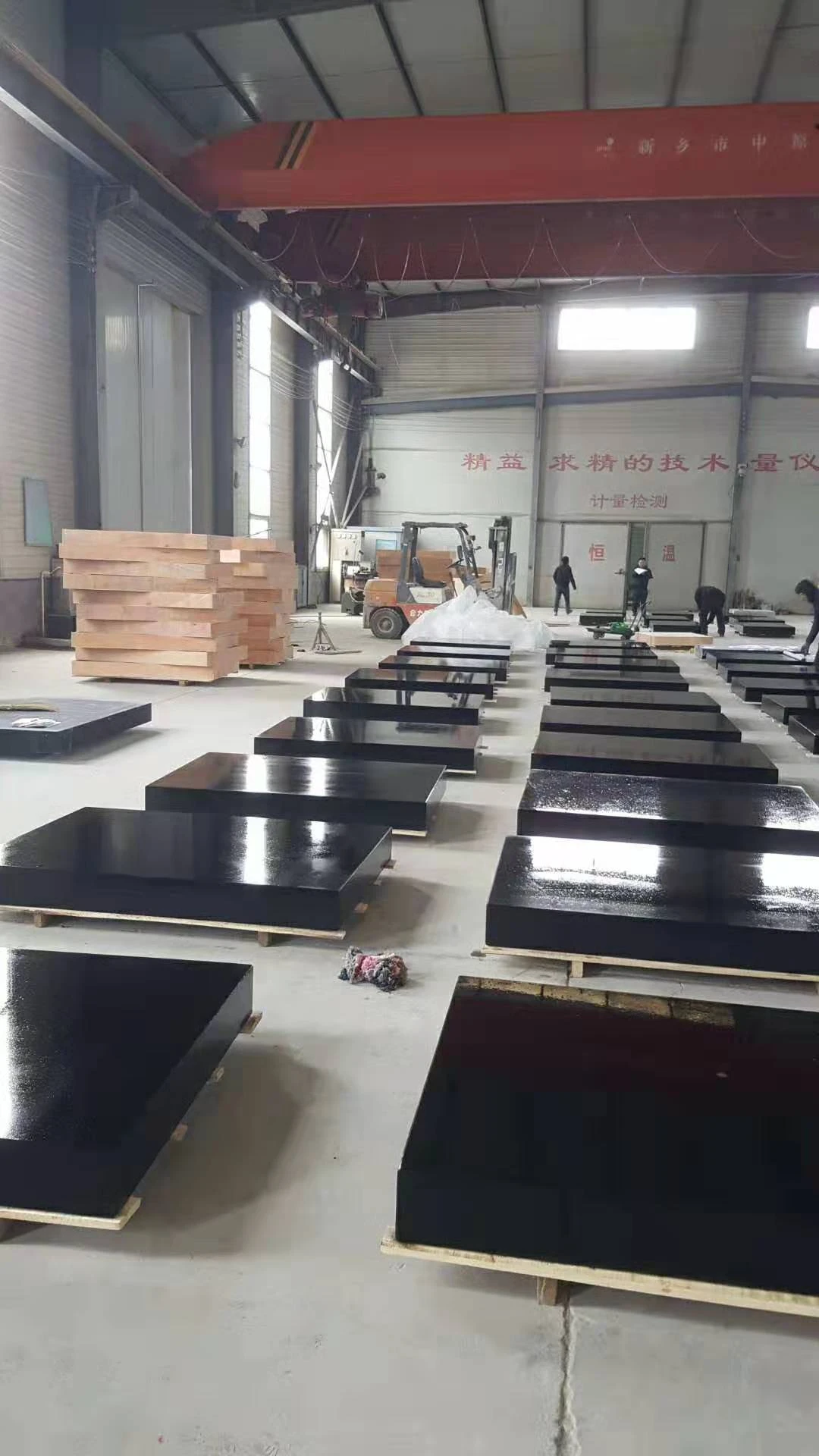
Water Flow Control Valve for Efficient Shut-off Solutions
Understanding Water Shut-off Valves A Guide Water shut-off valves are an essential component in plum

Using a Level to Align a Marking Ruler for Precision Measurements
marking ruler with spirit level .
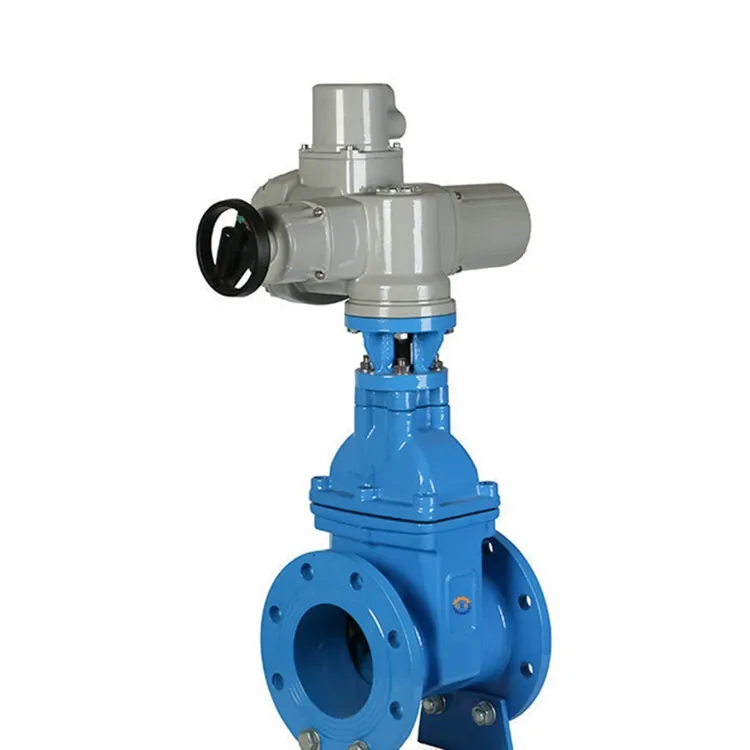
vee blocks for sale
VEE Blocks for Sale The Future of Sustainable Building Solutions In the contemporary era of construc
 English